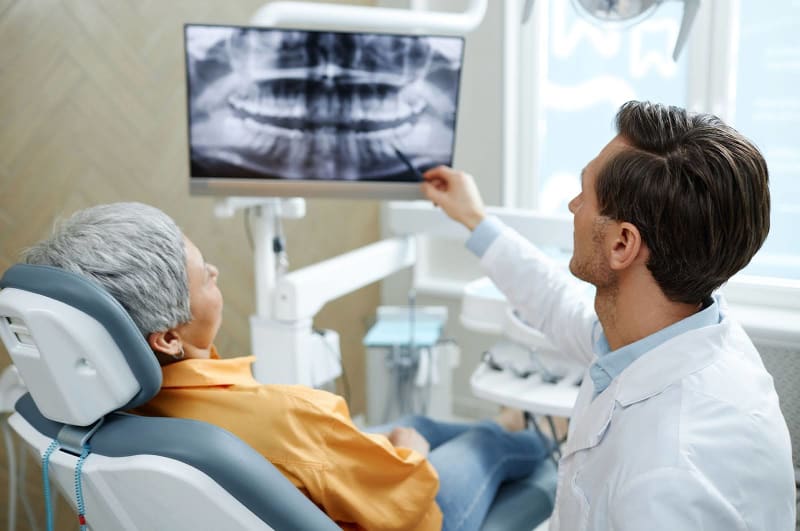
A dental emergency can include a severe toothache, a broken or chipped tooth, a knocked-out tooth, a dental abscess, and other concerns. Clinics in cities and smaller communities across every province set aside time for urgent visits and same-day appointments. hellodent can help you search for participating providers across the country, sort listings by rating or distance, and request an appointment from a clinic profile when you need care quickly.
What Are Emergency Dental Services?
Emergency dental services are urgent treatments for sudden pain, infection, or injury to your teeth, gums, or jaw. They cover problems that should not wait for a routine appointment, such as a severe toothache, a broken or chipped tooth, a knocked-out tooth, a dental abscess, and other concerns. The goal of an urgent visit is to relieve pain, control infection, and protect the tooth where possible.
Many general dentists across Canada keep time open for urgent cases. If your face is swelling, you have trouble breathing or swallowing, or you have had a serious facial injury, go to a hospital emergency room instead.
How Much Do Emergency Dental Services Cost in Canada?
Cost depends on what the visit involves. An urgent exam to find the problem costs less than the treatment that follows, such as a filling, an extraction, or root canal therapy.
Emergency Dental Estimated Price Ranges in Canada
| Treatment | Estimated Cost (CAD) |
|---|
| Emergency exam | $75 to $200 |
| X-ray (if required) | $25 to $90 |
| Tooth extraction | $150 to $400 |
| Filling | $150 to $400 |
| Root canal therapy | $800 to $1,500 |
| Abscess drainage | $100 to $300 |
These ranges are estimates and may vary by clinic. According to the hellodent Canadian Dental Health Guide, costs can vary based on a clinic's overhead, with downtown clinics often carrying higher costs such as rent compared to suburban ones with lower facility costs. Ask the clinic for a written estimate before treatment starts.
What Affects the Cost?
- The treatment needed, from a simple exam to root canal therapy.
- Whether X-rays are required to find the problem.
- The clinic's overhead, such as rent.
- Whether you need a referral to a specialist for complex care.
Types of Emergency Dental Services Available in Canada
Severe Toothache
Ongoing or sharp tooth pain may point to decay, infection, or a cracked tooth. An urgent exam, often with an X-ray, helps find the cause so it can be treated.
Broken or Chipped Tooth
A broken tooth may be repaired with a filling or a crown, based on how much of the tooth is affected. Bring any pieces of the tooth with you if you can.
Knocked-Out Tooth
A tooth that has been knocked out is time sensitive. Keep it moist, in milk or in your cheek, and get to a dentist quickly, as the tooth may sometimes be saved.
Dental Abscess
An abscess is a pocket of infection that may cause swelling, throbbing pain, and a bad taste. It needs prompt care to drain the infection and treat the source.
Lost Filling or Crown
A filling or crown that falls out can leave the tooth sensitive and exposed. A dentist can replace it and check the tooth underneath.
Soft Tissue Injuries
Cuts or injuries to the gums, lips, cheeks, or tongue may need cleaning and care to control bleeding and help healing.
Before You Go In
A few small steps can help your visit go smoothly. Call ahead so the clinic knows you are coming and can set aside time. Bring a list of any medications you take and your insurance details if you have them. If a tooth has been knocked out or a crown has come off, bring the pieces with you. For pain or swelling while you wait, a cold compress on the cheek may help, and your dentist can advise on what to take.
Where to Find Emergency Dental Services in Canada
Urgent dental care is offered in cities and smaller communities across every province. When something is urgent, the nearest clinic with an opening is often the practical choice. Use hellodent to search by city, by postal code, or by clinic name, then sort by distance to find a provider who can see you soon. Calling ahead to confirm availability can save time when you need care quickly.
If you live outside a major centre, searching nearby cities can help you compare providers and find one who can fit you in for an urgent visit.
How to Choose an Emergency Dental Services Provider in Canada
Credentials to Look For
Confirm the dentist is registered with the provincial dental regulator. Every province has one, and you can verify a dentist's credentials through the regulator's online register. For an urgent issue, also ask whether the clinic can see you the same day.
Specialist Versus General Dentist
Many emergency treatments can be performed by general dentists, including common treatments like extractions and fillings. More complicated procedures like oral surgery or complex root canal therapy may be referred to a specialist who works within that specialty only.
Questions to Ask When You Call
- Do you offer the treatment I think I need for my specific issue?
- Can you see me the same day?
- What is the estimated cost of my visit?
- Will I need a referral for any follow-up treatment?
Paying for Emergency Dental Services in Canada
Insurance Coverage
Dental care is usually paid out of pocket or through private insurance. Provincial health plans generally do not cover routine dental care, though dental work done in a hospital may be covered. Many private plans cover emergency exams, X-rays, and common treatments, so check your plan booklet for limits.
CDCP Eligibility
You may be eligible for coverage under the Canadian Dental Care Plan (CDCP), a dental program funded by the federal government and administered by Sun Life. Emergency-related treatments such as exams, X-rays if required, fillings, extractions, root canals, and abscess drainage may be covered. Frequency limits may apply. Apply for coverage through the Government of Canada website. Coverage needs to be renewed annually.
Financing and Payment Plans
Urgent visits are usually paid at the time of service. If your treatment plan is larger, many clinics offer in-house payment plans or third-party financing to spread the cost over time. Ask the clinic about payment options and request an estimate before treatment starts.
*The content provided in this article, including text, graphics, and referenced material, is intended for informational purposes only and is not a substitute for professional dental advice, diagnosis, or treatment. Always consult with your dentist or another qualified oral health professional for questions regarding your dental condition. Never disregard professional dental advice or delay seeking it based on information from this article. If you believe you have a dental emergency, contact your dentist, or seek immediate assistance from an oral healthcare professional. The information in this article has been gathered based on information available online and has not been fact checked by a dental professional.