Quick Summary
The average cost of dermal filler at the dentist in Canada ranges from $519 to $1,000 per syringe. This price includes the initial consultation and the procedure itself. Factors affecting the cost include the type of filler, the number of syringes needed, the treatment area, and clinic location.
What To Expect in This Guide
In this guide, we’ll explore the cost of dermal filler at the dentist in Canada. You’ll learn what dermal fillers are, who can legally administer them, and how these treatments work.
You’ll also discover the different types of dermal fillers available, the factors that influence their price, where dentists are permitted to apply fillers based on provincial regulations, and best practices for aftercare.
- What Are Dermal Fillers?
- Who Can Administer Dermal Fillers in Canada?
- How Do Dermal Fillers Work?
- Types of Dermal Fillers
- The Cost of Dermal Filler at the Dentist in Canada
- Factors Affecting the Cost of Dermal Fillers
- Where Is Dermal Filler Application Allowed by Dentists in Canada?
- Best Practices for Dermal Filler Aftercare
- Frequently Asked Questions (FAQ)
What Are Dermal Fillers?
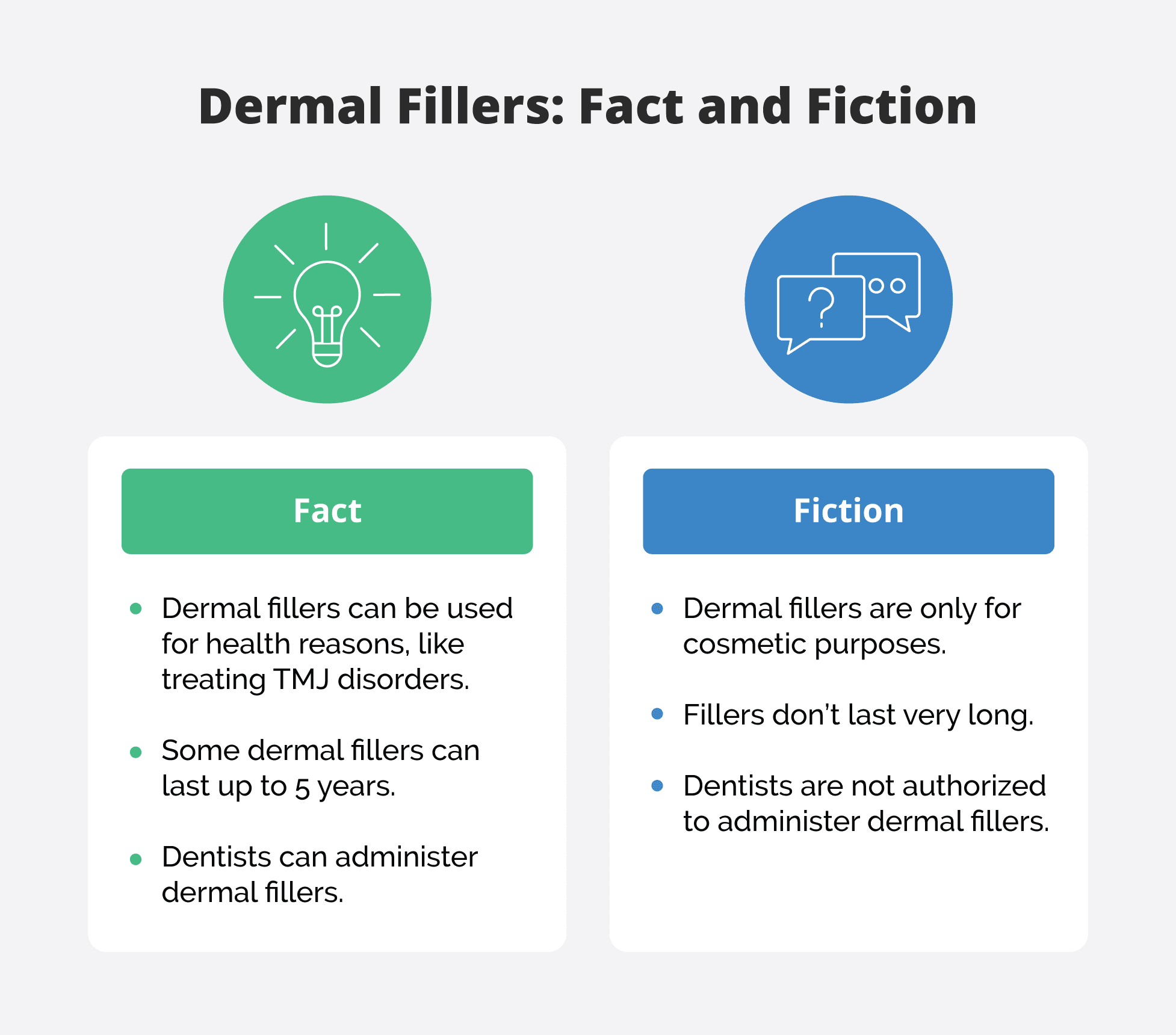
Dermal fillers are injectable treatments designed to restore volume and smooth wrinkles in the skin. They are gel-like substances most commonly made from hyaluronic acid.
Fillers can enhance facial contours, add volume to areas such as the lips and cheeks, and soften facial lines for a more youthful appearance.
Who Can Administer Dermal Fillers in Canada?
In Canada, only licensed healthcare professionals can administer dermal fillers, including:
- Dentists
- Physicians
- Registered nurses
Dentists are particularly well-suited for this role due to their specialized knowledge of facial anatomy. They are authorized to perform procedures around the mouth and treat conditions like TMJ disorders by alleviating tension in the jaw and enhancing facial aesthetics.
However, to administer dermal fillers, dentists must complete specific training. This education typically includes courses in pharmacology, facial anatomy, injection techniques, and potential complications. Regulatory colleges oversee these training requirements to ensure practitioners are competent and safe in their practice.
Provincial regulators also determine whether dentists in their province can administer dermal filler injections and, if so, where the injections can be placed.
How Do Dermal Fillers Work?
Dermal fillers work by adding volume to specific areas of the face. The patient will receive an injection, often comprised of hyaluronic acid, which adds volume to the face by attracting and binding water molecules. This process hydrates and plumps the treated area while stimulating the body’s natural collagen production, creating a more youthful appearance.
Types of Dermal Fillers
Several types of fillers are available, each made from different materials. Your practitioner will likely recommend a type of filler based on the placement and your specific case.
Hyaluronic Acid Fillers
Hyaluronic acid fillers are the most common type of dermal fillers used. This naturally occurring substance in the skin's connective tissue provides hydration and volume.
Filler brands in this category include:
- Juvederm®: Offers immediate results with minimal downtime. However, it can cause potential swelling or bruising after injection. Results can last nine to 24 months.
- Restylane®: Known for its unique non-animal stabilized hyaluronic acid (NASHA) technology. Results can last around 12 months, but touch-ups may be required every five to 10 months.
Calcium Hydroxylapatite Fillers
Calcium hydroxylapatite fillers, which are naturally found in bones and teeth, are used to fill deeper lines and restore facial contours.
Filler brands in this category include:
- Radiesse®: Effective for treating deeper lines and contouring the jawline, with results lasting between 12 to 18 months. However, it is not recommended for lip augmentation due to the potential for lumps.
Poly-L-Lactic Acid Fillers
Poly-L-lactic acid (PLLA) fillers are designed to stimulate collagen production and restore lost volume gradually. PLLA is a synthetic, biocompatible filler for face and non-face areas like the neck and chest.
Filler brands in this category include:
- Sculptra® Aesthetic: Restores lost volume gradually over several months. Although it requires two or three sessions for optimal results, Sculptra offers a long-term solution with effects lasting over two years.
Permanent Soft Tissue Fillers
These fillers provide a semi-permanent solution for smoothing deep wrinkles. They can’t be absorbed by the body, eliminating the need for reinjection. However, they are typically not advised for first-time treatments.
Fillers brands in this category include:
- Bellafill®: Bellafill contains polymethylmethacrylate (PMMA) microspheres. It offers results lasting up to five years. However, its bovine components may cause allergic reactions.
The Cost of Dermal Filler at the Dentist in Canada
The average cost of dermal fillers in Canada ranges from $519 to $1,000per syringe. The cost of dermal filler will vary based on the type of filler used and the specific treatment area. This price typically includes a consultation and the procedure itself.
Average Cost of Dermal Filler in Canada
| Price per syringe | $519 to $1,000 |
*Note: The costs above reflect average price ranges and may vary based on specific clinics and patient needs.
Factors Affecting the Cost of Dermal Fillers
Several factors can affect the cost of dermal fillers at the dentist in Canada. Understanding these factors will help you plan for your expenses, especially since public dental benefits and private insurance often don’t cover fillers.
The Number and Size of Syringes
The number of syringes required directly impacts the total cost of dermal fillers. More extensive areas or deeper lines may require additional syringes to achieve the desired result. The more syringes used, the higher the overall expense will be.
The size of the syringe also plays a role. Typically, dermal filler syringes range in size from 0.8mL to 1.5mL. Larger syringes containing more filler cost more per syringe but can be more cost-effective for larger treatment areas. Smaller syringes, used for precise applications in smaller areas, may come at a higher per-unit price relative to their volume.
The Frequency of Treatment
The total price to maintain the effects can also vary based on the number of treatment sessions needed. Some patients may require retreatment more often for optimal results, especially if they choose shorter-lasting fillers. These routine maintenance sessions will increase the overall cost.
Clinic Location
The cost of dermal filler in Canada can vary based on the clinic’s location. Clinics in major urban centers tend to charge more due to higher overhead expenses and demands. In contrast, practices in rural areas may offer lower prices due to their different operational fees.
Type of Filler
Different brands and formulations of dermal fillers come with varying price points based on their materials and longevity. For instance, Bellafill may cost more than shorter-lasting options due to its unique formulation with PMMA microspheres, which provide semi-permanent results and require a more complex manufacturing process.
Where Is Dermal Filler Application Allowed by Dentists in Canada?
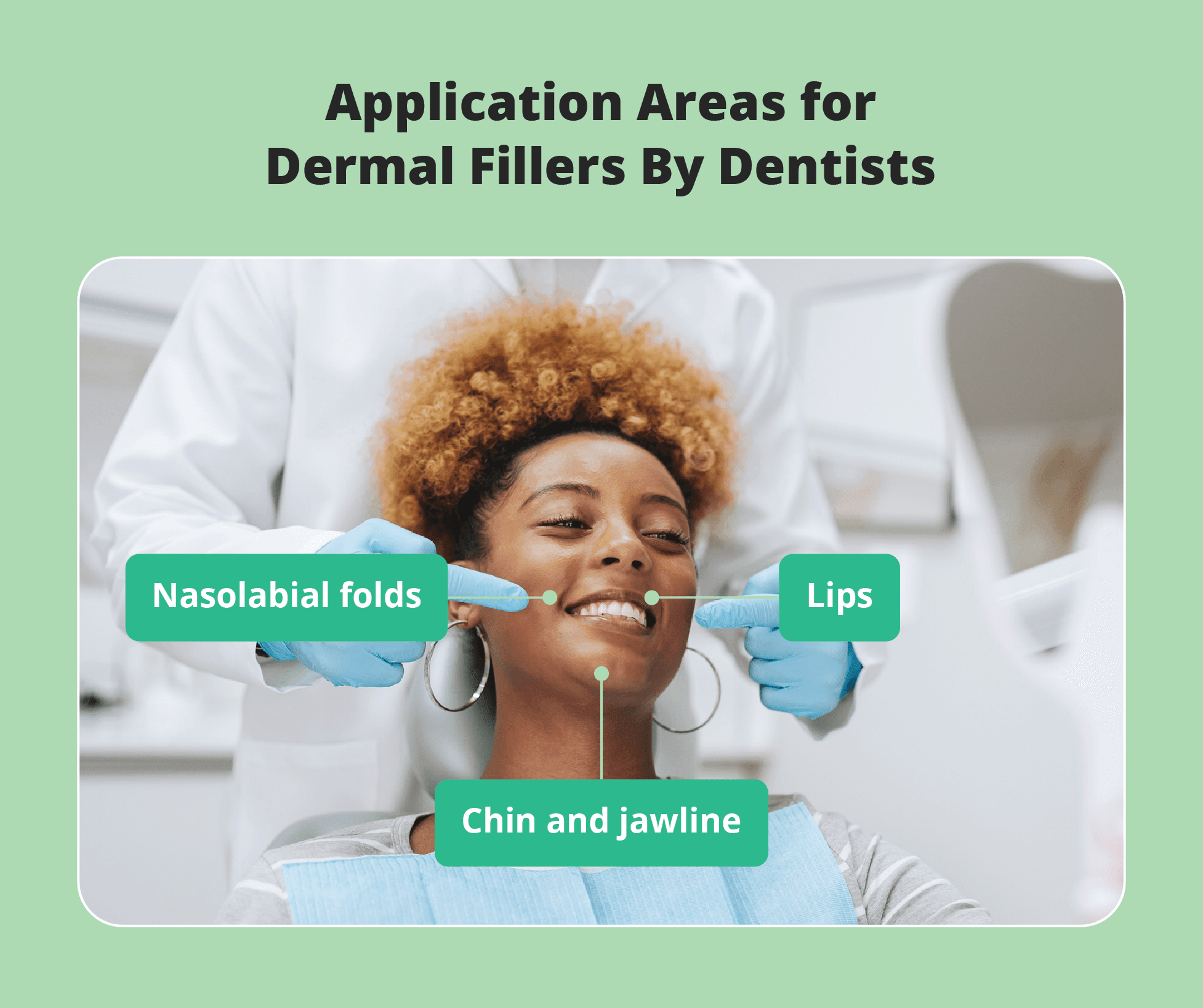
In Canada, dentists can administer dermal fillers in various areas, provided they have the appropriate training and education level.
Some treatment areas include:
- Lips
- Chin and jawline
- Nasolabial folds (smile lines)
It’s also important to note that regulations vary by province. You can see an in-depth look at these regulations below.
Dermal Filler Regulations by Province
| Province | Regulations |
|---|---|
| Alberta | Dentists can administer dermal fillers within their scope of practice, including for cosmetic purposes. |
| British Columbia | Dentists cannot administer dermal fillers as they are not classified as Schedule 1 medications. |
| Manitoba | Dentists can administer dermal fillers within their scope of practice, including for cosmetic purposes. |
| New Brunswick | Dentists can administer dermal fillers within their scope of practice, including for cosmetic purposes. |
| Newfoundland and Labrador | Dentists can administer dermal fillers within their scope of practice, including for cosmetic purposes. |
| Nova Scotia | Dentists can administer dermal fillers within their scope of practice, including for cosmetic purposes. |
| Ontario | Dermal fillers can be injected intra-orally for either therapeutic or cosmetic purposes. |
| Prince Edward Island | Not explicitly addressed in the guidelines for PEI. |
| Quebec | Dentists cannot administer dermal fillers. |
| Saskatchewan | Dentists cannot administer dermal fillers. |
| Yukon | Not explicitly addressed in the guidelines for YK. |
Best Practices for Dermal Filler Aftercare
Post-treatment care is essential for achieving the best results. Here are some tips to follow:
- Avoid extreme temperatures for at least 48 hours.
- Use ice packs on the treated area to alleviate discomfort.
- Refrain from strenuous exercise for 48 hours to reduce inflammation.
- Keep your head elevated for a few hours after treatment to help with swelling.
- Avoid touching the treated area for the first 24 hours to minimize the risk of infection and shifting the filler.
Understanding the cost of dermal fillers at the dentist in Canada is important for budgeting. Knowing more about different fillers allows you to find a dentist that best suits your aesthetic and financial plan.
Frequently Asked Questions (FAQ)
How Long Does Dermal Filler Last?
The longevity of dermal fillers varies based on the type of filler used and the treated area. Here is how long each type of filler typically lasts:
- Hyaluronic Acid Fillers: 9-24 months
- Calcium Hydroxylapatite Fillers: 12-18 months
- Poly-L-Lactic Acid Fillers: Over 24 months
- Permanent Soft Tissue Fillers: Up to 5 years
Can Dentists Offer Fillers in Canada?
Yes. Dentists in most provinces of Canada can administer fillers. However, they must undergo special training to ensure maximum patient safety and satisfaction.
Are Dermal Fillers Covered by Insurance in Canada?
Dermal fillers are a cosmetic procedure. Most dental insurance plans cover medically necessary treatments, so fillers are unlikely to be included. You can check with your insurance provider to confirm.
Sources
- Cleveland Clinic
- U.S. Food and Drug Administration (1)
- American Society of Plastic Surgeons
- U.S. Food and Drug Administration (2)
- Canadian Board of Aesthetic Medicine
- American Academy of Facial Esthetics
- PubMed Central (1)
- ScienceDirect (1)
- PubMed Central (2)
- Oxford Academic
- MDPI
- Healthline (1)
- ScienceDirect (2)
- PubMed Central (3)
- Wiley Online Library
- PubMed Central (4)
- Healthline (2)