Quick Answer
The average cost of dental fillings in Canada ranges from $379 to $726, depending on the material used, the cavity’s size, and other factors. This price typically includes the exam and the filling procedure. Understanding the different types of dental fillings and their costs helps you budget effectively for treatments.
What To Expect in This Guide
In this guide, we’ll explore the cost of dental fillings in Canada, including the different types and factors influencing their prices. You’ll learn about lower-cost options and what to expect during the procedure. Finally, we’ll answer frequently asked questions to provide a comprehensive overview of these treatments.
- What Is a Dental Filling?
- How Does a Tooth Filling Work?
- Types of Tooth Fillings
- Cost of Dental Fillings in Canada
- Factors Affecting the Cost of Dental Fillings
- Ways To Lower the Cost of Tooth Fillings in Canada
- Frequently Asked Questions (FAQ)
What Is a Dental Filling?
A dental filling is a treatment that repairs a tooth damaged by decay, fracture, or wear by restoring the tooth’s function, shape, and integrity. This type of restorative dental care involves filling cavities, effectively sealing off the damaged area to prevent further decay and maintain oral health.
How Does a Tooth Filling Work?
A tooth-filling procedure is a straightforward treatment for restoring a damaged tooth’s function and structure by removing decay and filling the cavity with a suitable material to prevent further damage.
Here are the key steps involved:
- Examination and identification: During the first appointment, the dentist examines your teeth to identify areas of decay. They might take X-rays to assess the extent of damage before recommending appropriate treatment.
- Anesthesia: Your dentist may apply local anesthesia to numb the area around the affected tooth. This helps minimize any discomfort or pain during the filling process.
- Drilling: Once the area is numb, your dentist will drill into the tooth to remove the decayed portion. They will clear out any harmful bacteria and debris to create a clean space for the filling.
- Impression (this step would only apply for indirect fillings such as inlays or onlays): If you need a custom filling, your dentist may take an impression of the tooth. With the impression, they can create a filling that perfectly fits your unique dental structure.
- Filling: Finally, the dentist will fill the prepared cavity with the chosen material. They will shape and polish it to match the contours of your tooth, ensuring it blends seamlessly with your smile.
The costs associated with a tooth filling typically include the exam, the anesthesia used during the procedure, and the filling itself. It is essential to clarify with your dental provider what specific services are covered under the quoted price to avoid any surprises.
Types Of Tooth Fillings
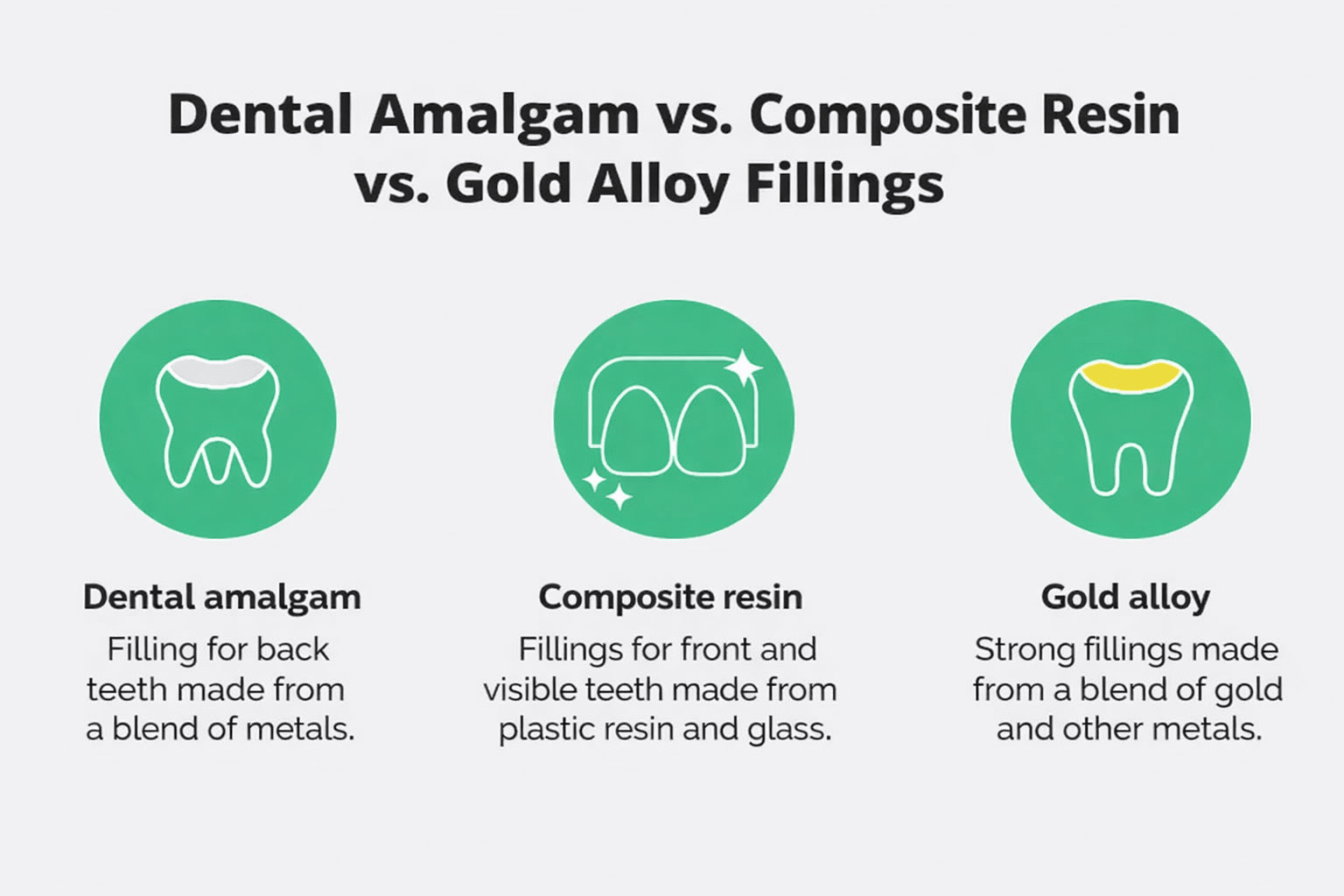
Several types of dental fillings are available. The choice of filling material can depend on factors like the tooth’s location, the extent of decay, personal preferences, and budget.
Understanding the different types of dental fillings and their costs can help you make an informed decision when addressing tooth decay. Here are the most common types of fillings used.
Dental Amalgam
Dental amalgam is a durable and cost-effective filling option made from a blend of metals, including silver, mercury, and copper. This filling is most useful for back teeth with the highest chewing pressure. It’s highly visible and, as a result, isn’t used often today.
Pros:
- Highly durable, lasting up to 15 years
- Cost-effective compared to other materials
Cons:
- Noticeable metallic colour
Composite Resin
Composite resin fillings are tooth-colored and can blend seamlessly with natural teeth. These fillings are made from plastic resin and glass, making them popular for front teeth or visible areas.
Pros:
- Aesthetic appeal, blending with natural tooth colour
- Less sensitivity to temperature changes
Cons:
- Typically less durable than amalgam, lasting about 7-10 years
Gold Alloy
Gold alloy fillings are made from a blend of gold and other metals, providing exceptional strength and durability. However, their high cost and noticeable appearance make them less appealing, especially in visible areas.
Pros:
- Extremely durable, often lasting over 15 years
- Resilient against chewing forces
Cons:
- Higher cost
- Not aesthetically pleasing to everyone due to their colour
Glass-Ionomer Cement
Glass-ionomer cement (GIC) is used in pediatric dentistry in areas near the gum line because it’s easy to apply and doesn’t need a bonding agent. GIC is made from glass powders and polyacrylic acids. This material releases fluoride that bonds to the tooth structure and prevents further decay. However, it may wear down faster than composite or amalgam fillings.
Pros:
- Releases fluoride, promoting tooth health
- Good for areas not under heavy stress
Cons: - Less durable than other materials, usually lasting around 5 years
- Not ideal for high-pressure areas
Porcelain
Porcelain fillings are custom-made in a lab to match the color of your teeth. They are highly durable and stain-resistant, often used for inlays and onlays. However, they cost more than other filling options due to the high lab fees and require multiple appointments.
Pros:
- Excellent aesthetic appeal
- Highly durable, lasting over 15 years
Cons:
- Higher cost compared to other fillings
- Requires multiple visits
What Is the Cost of Dental Fillings in Canada?
The average cost of dental fillings in Canada ranges from $379 to $726 per filling. Exact costs depend on individual circumstances, including the extent of decay, materials used, and the specific dental practice.
Below is a breakdown of the average cost of dental fillings based on province.
Average Cost of Dental Fillings in Canada by Province
[Minimum cost: Single-surface filling; Maximum cost: Five-surface filling]
| Province | Dental amalgam (1-5 surfaces) | Composite resin (1-5 surfaces) | Gold alloy (1-5 surfaces) | Glass-ionomer cement (1-5 surfaces) | Porcelain (1-5 surfaces)** |
| Alberta | $221 - $313 | $151 - $373 | $552 - $901 | I.C. | $492 - $1067 |
| British Columbia | $198 - $244 | $450 - $1084 | $686 - $1055 | I.C. | $446 - $1066 |
| Manitoba | $227 - $280 | $164 - $460 | $586 - $956 | I.C. | $477 - $877 |
| New Brunswick | $217 - $285 | $153 - $478 | $376 - $779 | I.C. | $539 - $941 |
| Newfoundland and Labrador | $267 - $399 | $172 - $484 | $533 - $974 | I.C. | $550 - $1058 |
| Nova Scotia | $197 - $241 | $164 - $422 | $342 - $781 | I.C. | $489 - $969 |
| Ontario | $323 - $395 | $198 - $460 | $341 - $833 | I.C. | $460 - $901 |
| Prince Edward Island | $233 - $292 | $146 - $473 | $432 - $898 | I.C. | $432 - $898 |
| Quebec | $152 - $462 | $100 - $336 | - | I.C. | $1050 - $1284 |
| Saskatchewan | $200 - $246 | $171 - $487 | $477 - $923 | I.C. | $546 - $930 |
*Note: The costs above reflect average price ranges and may vary based on specific clinics and patient needs. Additionally, the minimum cost represents a single-surface filling, while the maximum cost represents a five-surface filling.
**Additional lab fees for inlays and onlays are not included in the prices listed and may increase the overall cost of the procedure.
Factors Affecting the Cost of Dental Fillings
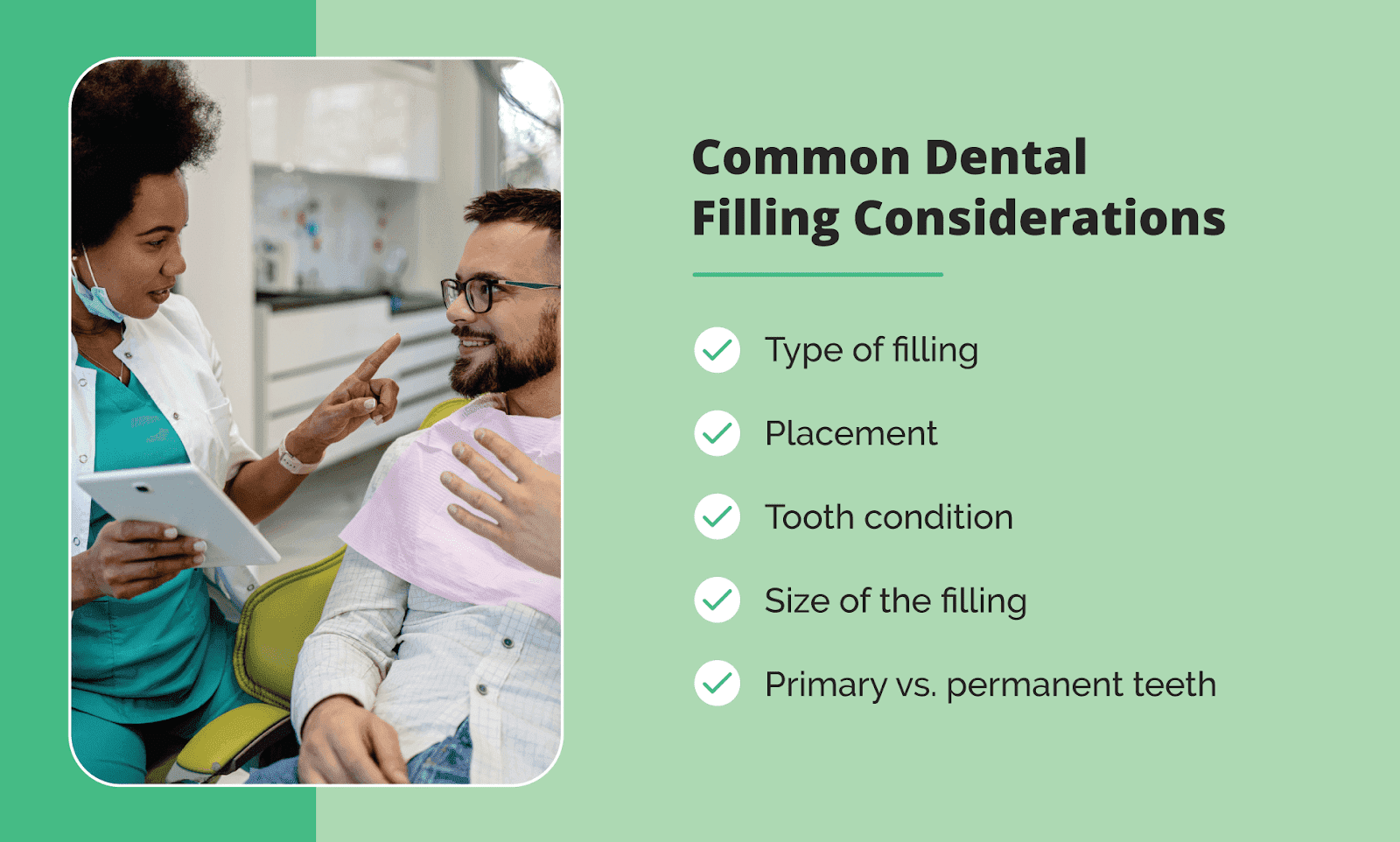
Several factors can affect the cost of dental fillings in Canada. Understanding these factors will help you manage your expenses effectively.
Filling Material
The material selected is a significant factor in determining the overall cost of dental fillings. Silver amalgam fillings are generally the most budget-friendly option. Meanwhile, fillings with tooth-colored composite, gold, or porcelain materials are much pricier.
Filling Placement
The location of the cavity is another factor affecting filling costs. Fillings on front teeth typically require precise aesthetic matching, resulting in higher costs. Fillings in hard-to-reach back teeth may also incur additional expenses due to increased difficulty and time needed for the procedure.
Filling Size
The size of the cavity or issue being treated also influences the cost of fillings. A small, single-surface filling is less expensive than a larger, multi-surface filling, which requires more work and material.
Sedation and Anesthesia
Additional sedation or anesthesia needed during the procedure can add to the overall cost of dental fillings in Canada. The type of sedation can also vary in price. Options range from local anesthesia to more substantial sedation techniques.
Tooth Condition
The condition of the tooth and the surrounding teeth is also a factor affecting the overall dental filling cost. Teeth that require more extensive repair or have complications like decay near the root may incur higher treatment costs.
Insurance
The out-of-pocket cost of dental fillings without insurance is higher. Patients with dental insurance may only pay a portion of the costs based on their plan. However, those without insurance must cover all the expenses out of pocket.
Primary vs. Permanent Teeth
The cost of fillings can also differ between primary (baby) and permanent teeth. Primary teeth fillings are often less expensive due to their smaller size and simpler procedures. Meanwhile, permanent teeth typically require more durable materials, leading to higher costs.
Clinic Location
The clinic's location is the last factor affecting the average cost of dental fillings. Dentists in urban areas may charge more than those in rural settings, which typically have lower operational costs.
Ways To Lower the Cost of Tooth Fillings in Canada
While fillings are necessary to maintain oral health, their costs can add up quickly. Finding ways to reduce these costs can relieve some of the financial stress.
Here are several effective strategies to lower the cost of dental fillings in Canada and manage your expenses.
Dental Insurance
One way to lower out-of-pocket expenses for fillings is to have dental insurance. Most plans cover a portion of the costs, typically around 70% or more. Be sure to review your policy details to understand your coverage.
Dental Schools
One effective method to reduce filling costs in Canada is to visit dental schools. These schools often provide services at a lower cost. Students perform procedures under the supervision of experienced instructors.
These schools are an economical choice for patients who can’t afford to get fillings in regular clinics; however, wait times may be longer, and only certain types of fillings may be available.
Preventative Care
A proactive approach to managing dental expenses is through preventative care, which can help avoid the need for fillings altogether.
Follow dental filling best practices like daily brushing and flossing to keep your teeth in good shape. Visit your dentist for regular check-ups to catch issues early and avoid costly treatments later.
Frequently Asked Questions (FAQ)
What’s the Difference Between Porcelain vs. Composite Fillings?
Porcelain and composite fillings both restore damaged teeth. However, they differ in the following ways:
- Aesthetic: Porcelain and composite fillings excel in color matching. However, porcelain’s superior translucency enhances its ability to resemble natural tooth enamel more closely.
- Durability: Porcelain fillings typically last longer than composite, which can wear down faster.
- Technique and time: Composite fillings generally require less time to place than porcelain, which often needs lab work and two visits.
- Aftercare: Routine care is essential for both types to ensure longevity. However, porcelain fillings need less maintenance due to their higher durability.
Are Amalgam Fillings Still Used in Canada?
Yes, dental amalgam fillings can still be used in Canada. They are considered safe and effective, especially for patients with a high risk of tooth decay. However, their use is becoming less common as more individuals choose composite fillings for aesthetic reasons.
How Can You Prevent Cavities?
You can prevent cavities by practicing good oral hygiene and making dietary adjustments. Here are some strategies to consider:
- Brushing and flossing: Brush your teeth twice daily and floss regularly to remove remaining food particles.
- Regular dental cleanings: Schedule routine check-ups and cleanings with your dentist and hygienist to treat minor issues before they worsen. For most patients, a cleaning every six months is the right cadence.
- Diet changes: Limit sugary and acidic foods and drinks, which can erode enamel and contribute to cavities.
How Long Do Dental Fillings Last?
The lifespan of dental fillings varies by material. Composite fillings last 7 to 10 years, while silver fillings can last up to 15 years. The most durable materials, like gold and porcelain, can last over 15 years with proper care.
Are Dental Fillings Covered by the Canadian Dental Care Plan (CDCP)?
Yes, dental fillings are one of the procedures covered by the CDCP. Eligible individuals can access one filling per tooth every 24 months, regardless of whether they visit the same dental professional or a different one at the same office.